In the ever-evolving world of entrepreneurship, ensuring your small business is protected isn’t just a smart move—it’s essential. Navigating the maze of small business insurance can be challenging, but mastering it can save your business from unexpected pitfalls. Today, we’re diving deep into the world of three critical aspects of small business insurance commercial: understanding the basics, exploring coverage types, and grasping the nuances of cost. Buckle up, because you’re about to get the ultimate guide to safeguarding your business dreams.
Whether you’re launching a startup or running a seasoned business, insurance is your safety net. It shields your hard-earned investment from unforeseen events, allowing you to focus on growth and innovation. With Backlinko’s proven strategies, we’ll unravel the complexities of small business insurance and arm you with the knowledge to make informed decisions. Ready to become an insurance pro? Let’s dive in.






Understanding Small Business Insurance
Did you know that 40% of small businesses never reopen after a disaster? That’s where small business insurance comes in. It’s your safety net, helping you bounce back when the unexpected hits.
Small business insurance is essential for safeguarding your venture from unforeseen risks. It covers a wide range of potential threats, from property damage to liability claims. Without it, you could be financially responsible for damages or legal fees that your business incurs.
Common Types of Small Business Insurance
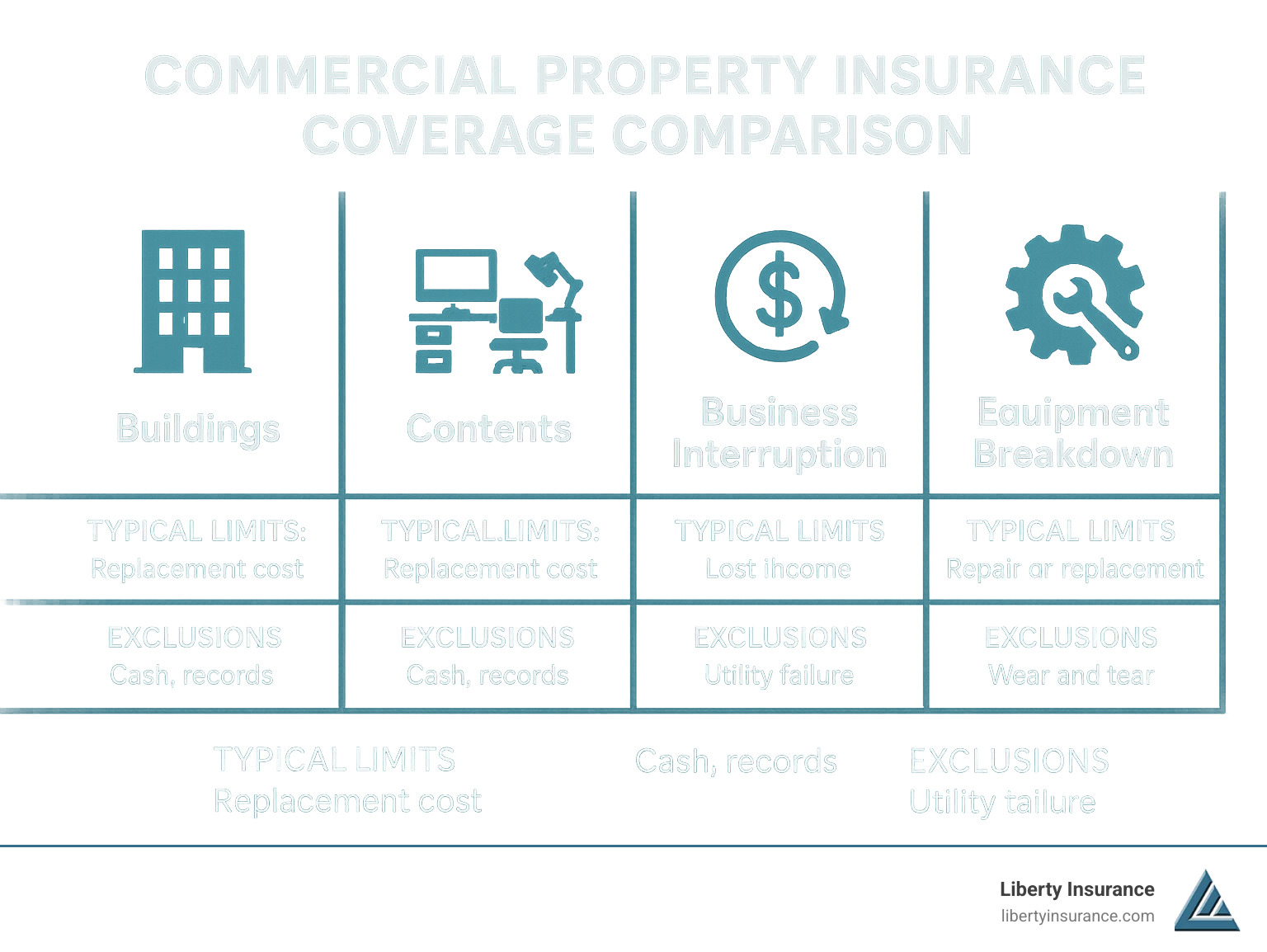
The types of insurance you choose depend on your business’s specific needs. General Liability Insurance protects against third-party claims of bodily injury or property damage. Professional Liability Insurance, also known as Errors and Omissions Insurance, shields your business from claims of negligence or mistakes in professional services. If you own or lease a space, Commercial Property Insurance is a must to cover damages to your property or inventory.
When Small Business Insurance is Beneficial
Imagine this: a customer slips and falls in your store. Without insurance, you could be liable for thousands in medical bills. Or, a natural disaster damages your office. Insurance can cover repair costs, saving you from financial ruin. Pro Tip: Assess your business’s unique risks to choose the right coverage.
Key Components of a Small Business Insurance Policy
A typical policy includes several components. First, Property Coverage protects your physical assets. Second, Liability Coverage shields against claims related to injuries or damages your business might cause. Lastly, consider Business Interruption Insurance to cover loss of income during temporary shutdowns. Here’s the deal: understanding these components is crucial for finding the right policy.
Types of Small Business Insurance Coverage
Did you know that 40% of small businesses have never been insured? That’s a huge risk. Understanding the types of insurance coverage can save your business from potential disasters.
Choosing the right insurance for your business isn’t just a good idea—it’s essential. But what types of coverage do you actually need?
General Liability vs. Professional Liability vs. Property Insurance
When it comes to protecting your business, not all insurance is created equal. Let’s break down the differences.
| Type | Benefits | Limitations |
| General Liability | Covers bodily injuries and property damage. | Does not cover professional errors. |
| Professional Liability | Protects against claims of professional negligence. | Excludes bodily injury and property damage claims. |
| Property Insurance | Covers damage to business property. | Typically does not cover flood or earthquake damage. |
Different industries often require specific types of insurance. For example, a tech startup might prioritize professional liability to cover potential coding errors, while a restaurant would need general liability to handle slip-and-fall incidents.
Insurance Options for High-Risk Industries
If you’re operating in a high-risk industry like construction or manufacturing, your insurance needs are even more critical. Regular coverage might not cut it.
- Construction businesses often need builders risk insurance to cover property during a build.
- Manufacturers might require product liability insurance to guard against defective products.
- Restaurants can benefit from business interruption insurance to cover unexpected closures.
Here is the deal: High-risk industries face unique challenges, and so do their insurance needs. Make sure your coverage is as specialized as your business.
Pro Tip: Always consult with an insurance agent who understands your industry to tailor-fit your coverage.
Commercial Insurance Costs
Ever wondered why your small business insurance bill seems to fluctuate? You’re not alone. The cost of commercial insurance can be baffling, but understanding the factors that influence it can help you keep expenses in check.
Insurance costs are not set in stone. They’re influenced by several key factors. Let’s dive into what’s really driving your premiums.
Factors Affecting Commercial Insurance Costs
Your business size, location, and industry type are just the tip of the iceberg. Claims history and coverage limits also play significant roles. For instance, a business with a history of frequent claims will face steeper costs. Similarly, higher coverage limits mean higher premiums. But here is the deal: you can take control of some of these factors.
- Business Location: Operating in a high-risk area? Expect higher costs.
- Industry Risks: More risk equals more expense. A construction company pays more than a consultancy.
- Coverage Amount: The more protection you need, the more you’ll pay.
Typical Insurance Costs Breakdown
Commercial insurance isn’t one-size-fits-all. Different policies come with different price tags. Here’s what you can expect for common insurance types.
- General Liability Insurance: Usually ranges from $500 to $1,500 annually for small businesses.
- Workers’ Compensation: Costs can vary significantly—from $0.75 to $2.74 per $100 of payroll.
- Professional Liability Insurance: Often between $600 and $1,800 per year.
Understanding these basic figures can help in budgeting for your business.
Reducing Insurance Costs
Want to cut down on those insurance premiums? It’s possible with a few strategic moves.
Pro Tip: Bundle policies to unlock discounts and save money.
Improving workplace safety can lower your premiums over time. Fewer claims mean less risk to the insurer. Additionally, regularly review and update your coverage to ensure you’re not over-insured.
Sample Insurance Costs by Business Type and Size
Curious about where your business stands? Here’s a handy table to give you a snapshot of typical insurance expenses based on business size and type.
| Business Type | Small (1-10 employees) | Medium (11-50 employees) | Large (51-100 employees) |
| Retail | $1,200 | $3,500 | $6,000 |
| Consulting | $750 | $2,000 | $4,500 |
| Construction | $3,000 | $7,500 | $12,000 |
Legal and Regulatory Aspects
Did you know that failing to comply with small business insurance regulations can cost you big? Understanding the legal landscape isn’t just a formality—it’s crucial for protecting your business.
Small businesses are legally required to have certain types of insurance depending on their location. The requirements can vary widely, making it essential for you to know what applies in your region. But here’s the deal: beyond ticking boxes, compliance can actually affect how smoothly your business runs.
Legal Requirements Across Different Regions
Each region has its own set of rules for small business insurance. In some states, you might need workers’ compensation insurance, while others might require general liability insurance. Understanding these distinctions is key. Failing to comply could result in hefty fines or, worse, business closure.
Impact of Insurance Compliance on Operations
Insurance isn’t just about protection. It’s about operational efficiency. When you comply with insurance regulations, you minimize risks and build trust with clients and partners. This can lead to smoother operations and fewer legal headaches.
Regulatory Bodies Governing Small Business Insurance
The landscape of small business insurance is overseen by several regulatory bodies. In the U.S., for example, the National Association of Insurance Commissioners (NAIC) plays a pivotal role. They ensure that insurance providers adhere to set standards, protecting you and your business from potentially exploitative practices.
Consequences of Non-Compliance with Insurance Regulations
Ignoring insurance regulations can spell disaster. We’re talking about fines, lawsuits, and even license revocations. In extreme cases, your business could be shut down. Here’s a pro tip: Always stay informed about the latest regulatory changes to avoid these pitfalls.
Always stay ahead by regularly reviewing your insurance policies and ensuring compliance with local regulations.
Customizing Insurance Policies

Did you know that 75% of small businesses are underinsured? You don’t want to be part of that statistic.
Customizing your insurance policy can be the difference between smooth sailing and a financial nightmare when the unexpected hits. But here’s the deal: a one-size-fits-all approach simply doesn’t cut it for small businesses. You need to tailor your coverage to fit your unique needs.
How to Tailor an Insurance Policy
First, you need to assess your business risks. Identify what could potentially harm your business. Is it property damage? Liability claims? Employee injuries? Once you have a clear picture, it’s time to customize your policy to cover those specific risks.
Here’s a checklist to get you started:
- Evaluate your business assets and activities.
- Identify potential risks and hazards.
- Consult with an insurance agent about tailored policy options.
- Review coverage limits and deductibles.
- Consider endorsements for additional protection.
For example, a catering company faced a lawsuit after a guest got sick due to improper food handling. Thankfully, their tailored liability coverage saved the day. Your business could benefit similarly from a customized policy.
The Role of Insurance Agents in Designing Personalized Policies
Insurance agents are your best friends when it comes to crafting personalized insurance strategies. They know the ins and outs of the insurance market, helping you find the most comprehensive coverage at competitive rates. Pro Tip:
Always choose an agent who specializes in your industry.
They’ll have the expertise to anticipate risks you might not even consider.
The Claims Process
Did you know that only 30% of small business claims are approved the first time? That’s right. Navigating the claims process can be tricky. But fear not, with the right steps and preparation, you can ensure your claim gets the green light.
Here is the deal: understanding the steps to file a claim is just the beginning. Timing, documentation, and communication are key to a successful claim. Let’s dive into how you can get your claim approved faster.
Steps to File an Insurance Claim
Filing a claim might seem daunting. But breaking it down into manageable steps makes the process a breeze. Here’s a typical timeline of what you can expect:
- Step #1: Notify Your Insurer. Call your insurance company immediately after an incident occurs.
- Step #2: Gather Documentation. Collect all relevant documents like receipts, photos, and incident reports.
- Step #3: Submit the Claim. Fill out a claim form and submit it along with your documentation.
- Step #4: Assessment. An adjuster will evaluate your claim. Be ready to answer questions.
- Step #5: Approval and Payment. Once approved, you’ll receive payment, typically within 30 days.
Common Challenges and Solutions
Many small businesses hit snags during the claims process. Delayed documentation and lack of communication with insurers are frequent hurdles. But these can be overcome.
Here’s how: Maintain an organized file with all necessary documents. Keep a timeline of events and note every conversation with your insurer. This ensures no detail is missed.
Best Practices for a Smooth Claims Experience
To streamline your claims process and boost your approval odds, follow these best practices:
- Build a strong relationship with your insurance agent. They can advocate for you during the process.
- Regularly review and update your insurance policy to ensure full coverage.
- Keep a detailed inventory of assets and update it annually.
Pro Tip: Always have a backup of digital copies of all your documents. Cloud storage can be a lifesaver when you need quick access.
Closure
As we wrap up our exploration of three crucial components of small business insurance commercial, it’s clear that having the right coverage is not just a regulatory box to check—it’s a strategic advantage. From understanding the basics to customizing policies that fit like a glove, you’re now equipped to make choices that protect your business’s future. Remember, insurance is more than a policy; it’s peace of mind and a foundation for sustainable growth. Keep these insights close as you navigate your entrepreneurial journey.
FAQ Section
What is small business insurance, and why is it important?
Small business insurance is a type of coverage that helps protect your business from financial losses due to various risks. It’s important because it safeguards your business assets, reputation, and ensures you can continue operations even when unforeseen events occur.
What are the common types of small business insurance?
Common types include general liability insurance, professional liability insurance, and property insurance. Each offers protection against different types of risks and liabilities.
How can I lower my commercial insurance costs?
You can lower costs by comparing quotes from different insurers, bundling policies, implementing risk management practices, and choosing higher deductibles.
Are there specific insurance options for high-risk industries?
Yes, businesses in high-risk industries may need specialized coverage such as product liability insurance, workers’ compensation, or cyber liability insurance, tailored to their specific risks.
What role do insurance agents play in customizing policies?
Insurance agents can help tailor policies to fit specific business needs, offering expert advice on coverage options and helping to create a policy that provides the best protection.
What steps are involved in filing an insurance claim?
The typical steps include notifying the insurer, documenting the damage or loss, submitting a claim form, and cooperating with the insurer’s investigation process.